
Ubud
Ubud, located in the heart of Bali, Indonesia, is often referred to as the cultural capital of the island. Set amidst lush rice paddies, tranquil rivers, and verdant jungles, Ubud offers a serene escape for those seeking a retreat into nature while still being deeply connected to Bali’s rich traditions, arts, and spirituality. Unlike the coastal areas of Bali, Ubud maintains a peaceful, slower-paced atmosphere that makes it ideal for relaxation, reflection, and immersion into the island’s unique culture.
At the heart of Ubud is its vibrant art scene. The town is a hub for traditional and contemporary Balinese arts, with a number of galleries, museums, and workshops scattered throughout the area. Ubud Palace, also known as Puri Saren Agung, is a majestic structure and the former royal residence, located right in the center of Ubud. Visitors can explore its ornate architecture and gardens, and during the evening, the palace often hosts traditional dance performances showcasing Bali’s rich cultural heritage.
Ubud is also renowned for its connection to Bali’s spiritual and wellness practices. It is home to a number of yoga retreats, meditation centers, and holistic spas. The area attracts many who are looking to rejuvenate both their mind and body, with numerous yoga and wellness centers offering programs and treatments that promote well-being and inner peace. Whether it’s a relaxing massage, a cleansing detox retreat, or yoga with views of the rice terraces, Ubud has become a global destination for wellness seekers.
One of Ubud’s most famous attractions is the Sacred Monkey Forest Sanctuary. Located just a short walk from the town center, this lush jungle reserve is home to over 600 long-tailed macaque monkeys. The sanctuary is not only a place to interact with these playful primates but also a spiritual site, with ancient stone temples and statues hidden amidst the trees. The forest provides a peaceful, almost mystical atmosphere, and visitors can wander through its pathways, taking in the blend of nature, wildlife, and spirituality.
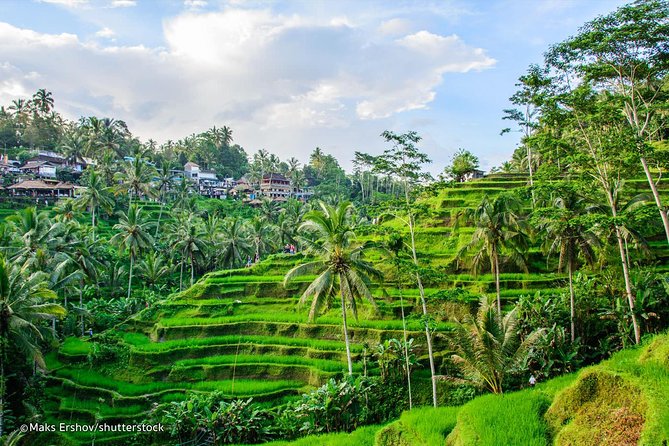
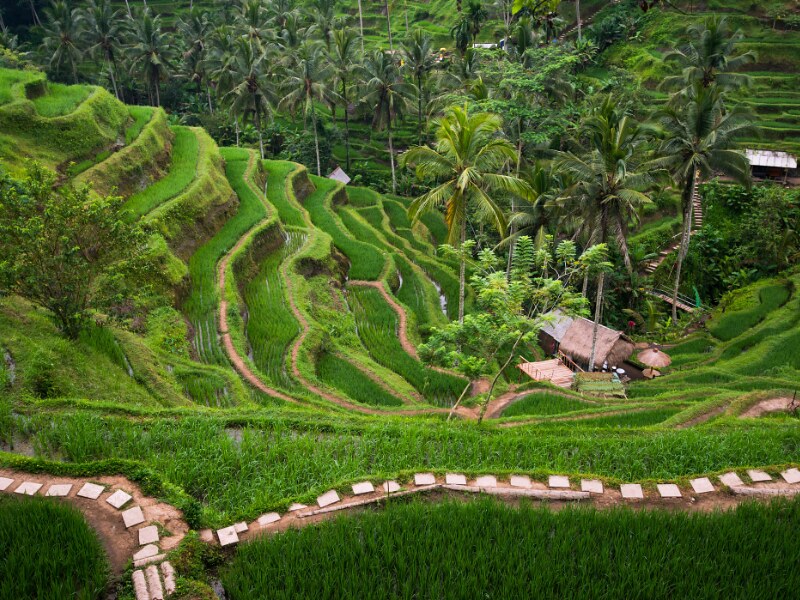
For nature lovers, Ubud is surrounded by some of the most stunning landscapes in Bali. The Tegallalang Rice Terraces, located a short drive from the center, are one of the island’s most famous landmarks. These cascading terraces, framed by swaying palm trees, offer a breathtaking view and a chance to experience Bali’s traditional rice farming practices. Visitors can take leisurely walks through the terraces or simply relax and enjoy the scenic beauty of the lush, green landscape.
Another popular natural attraction is the Campuhan Ridge Walk, a beautiful nature trail that takes visitors through lush jungle and over ridges offering panoramic views of Ubud’s surrounding hills and valleys. The walk is relatively easy and can be done at sunrise or sunset to capture the most stunning views. The serene atmosphere of the walk provides the perfect opportunity to connect with nature and enjoy the tranquility of the Balinese countryside.
Ubud’s markets are also a key part of its charm. The Ubud Art Market, located near the palace, is a bustling place where visitors can shop for traditional Balinese crafts, including intricate wood carvings, paintings, jewelry, textiles, and woven baskets. The market is a perfect spot to pick up souvenirs and gifts while exploring the vibrant atmosphere of the town.
For those interested in exploring Bali’s ancient spirituality, Ubud offers several significant temples and sacred sites. One of the most well-known is Goa Gajah, the Elephant Cave Temple, which dates back to the 11th century. The temple features ancient stone carvings, a sacred bathing pool, and a cave that was once used by Hindu priests for meditation and religious rituals. Visitors can explore the site’s archaeological and spiritual significance while enjoying the peaceful surroundings.
Ubud is also famous for its culinary scene, which ranges from traditional Balinese food to contemporary fusion cuisine. The town is dotted with cozy cafes, high-end restaurants, and organic eateries that serve fresh, locally sourced ingredients. Many restaurants in Ubud focus on organic, plant-based, and health-conscious menus, making it a popular destination for vegan and vegetarian travelers. Don’t miss out on trying traditional dishes like nasi campur (mixed rice), babi guling (suckling pig), and delicious tropical fruits like papaya and mangosteen.
The climate in Ubud is tropical, with a warm temperature year-round. The rainy season is from October to April, with the wettest months being December and January, while the dry season from May to September is considered the best time to visit, offering pleasant weather for sightseeing and outdoor activities.
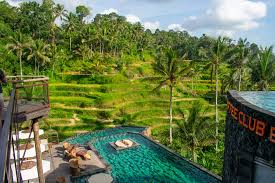
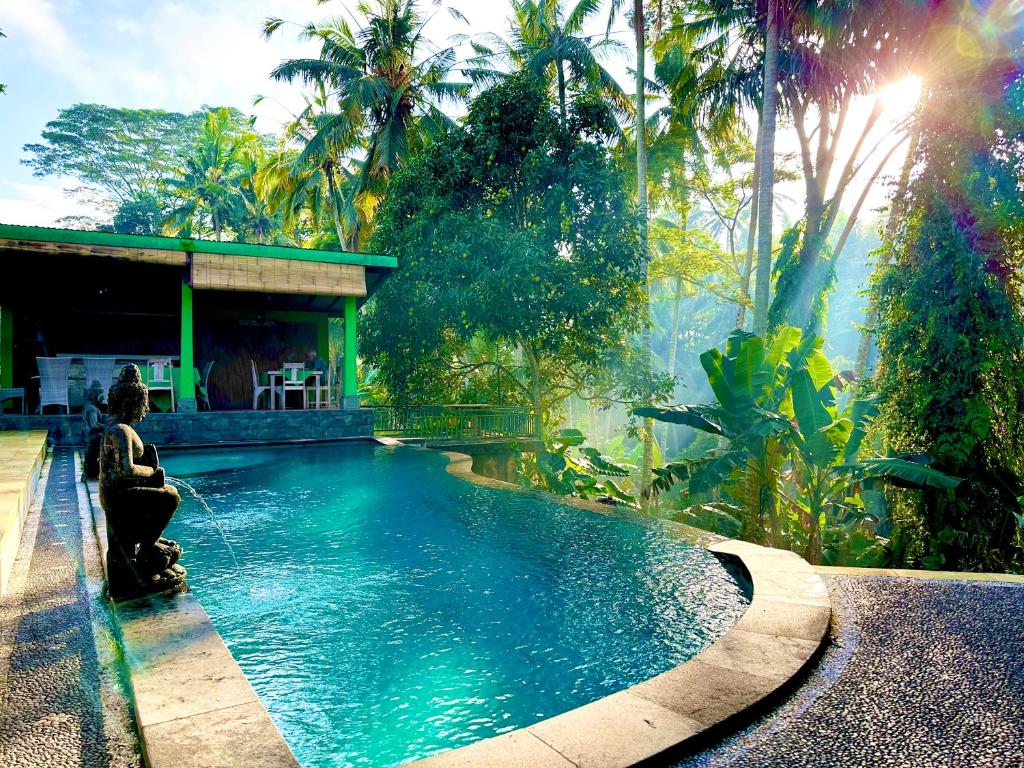
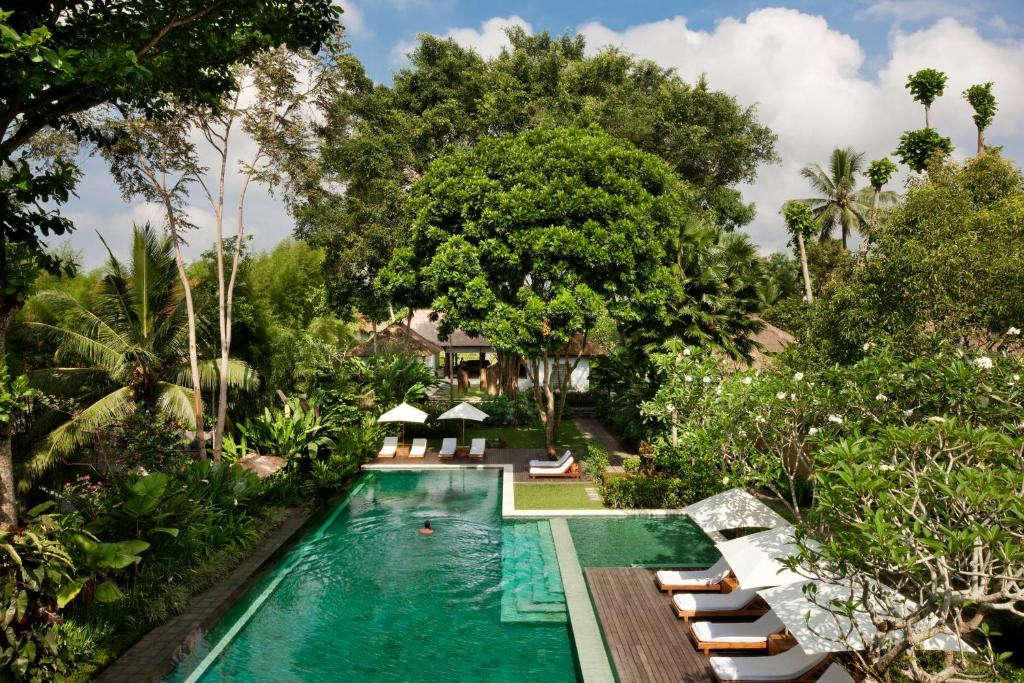
Accommodation in Ubud ranges from budget guesthouses to luxurious boutique resorts and wellness retreats. Many resorts and hotels are designed to blend seamlessly into the natural surroundings, offering open-air rooms, private villas, and stunning views of the rice paddies or jungle. Ubud’s calm atmosphere makes it an ideal place to unwind, relax, and enjoy the beauty of Bali.
In essence, Ubud is a magical destination that offers the perfect balance of nature, culture, spirituality, and wellness. Whether you’re visiting for a yoga retreat, exploring the rich traditions of Bali, hiking through the rice terraces, or simply soaking in the serene atmosphere, Ubud promises an enriching experience that will leave you feeling inspired, rejuvenated, and deeply connected to the island’s cultural and natural beauty.
Most Popular Packages