
Hanoi
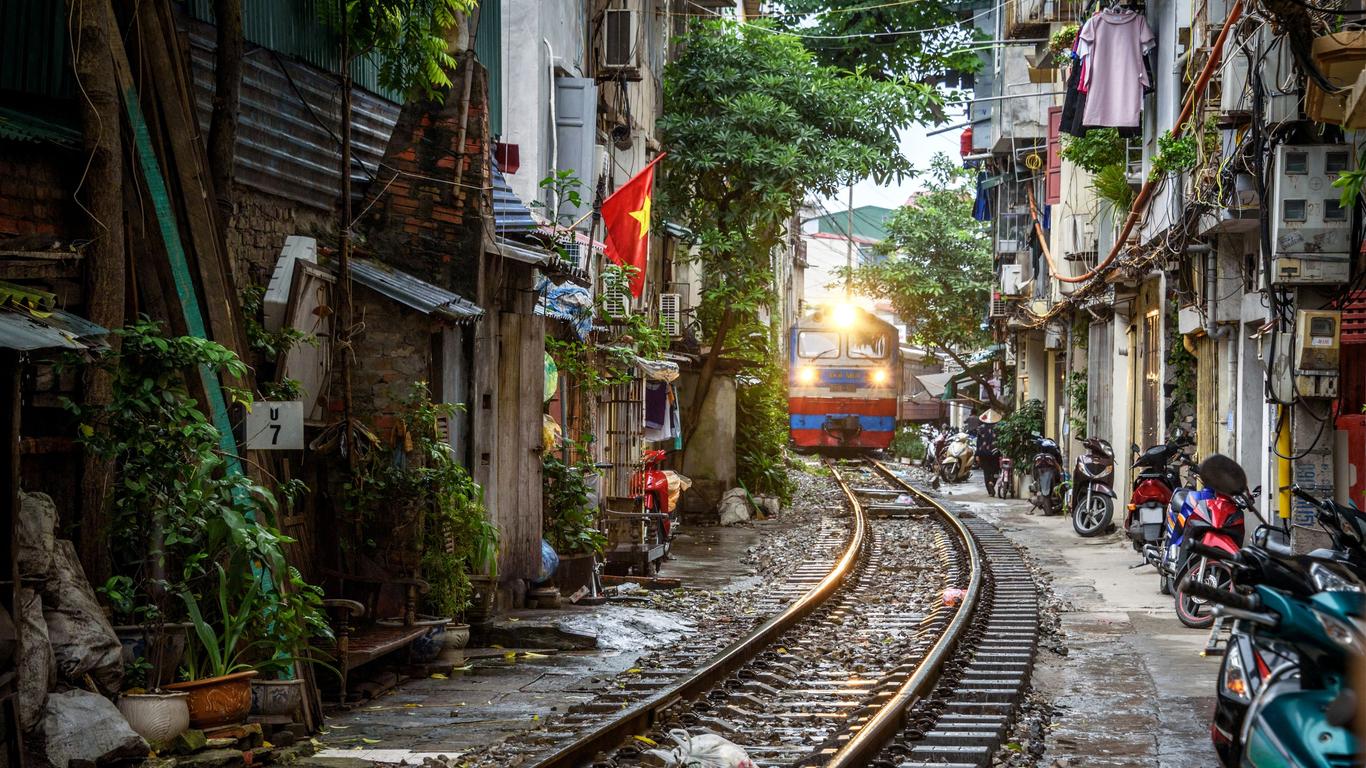
Hanoi, the capital of Vietnam, is a city that blends rich history, colonial charm, and a vibrant modern atmosphere. Located in the northern part of the country, Hanoi is one of the oldest capitals in Southeast Asia and offers visitors a fascinating journey through time, culture, and tradition. With its tree-lined boulevards, French colonial architecture, ancient temples, and vibrant street life, Hanoi is a captivating destination that showcases both the old and new aspects of Vietnam.
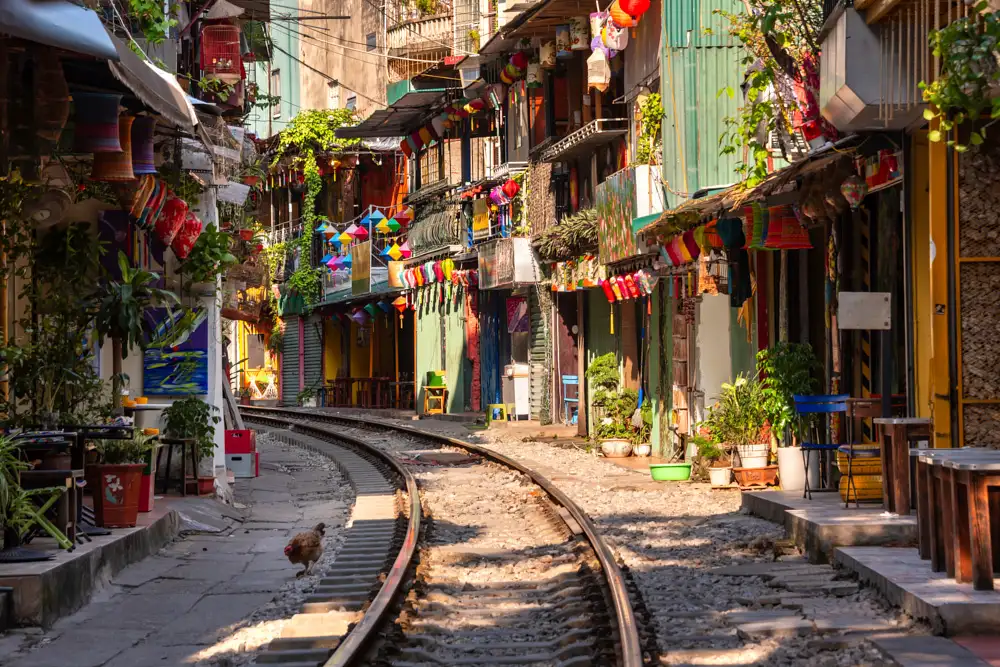
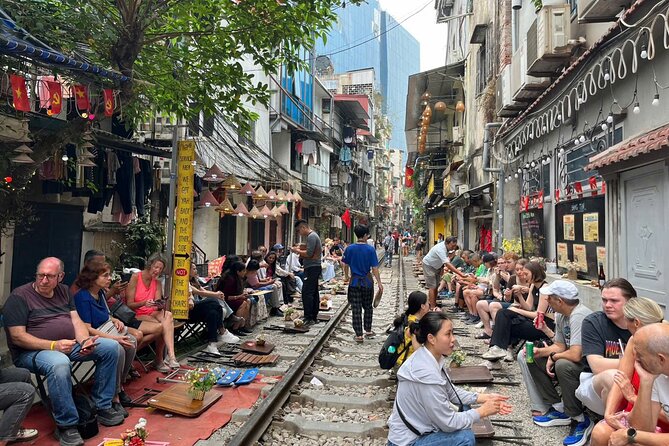
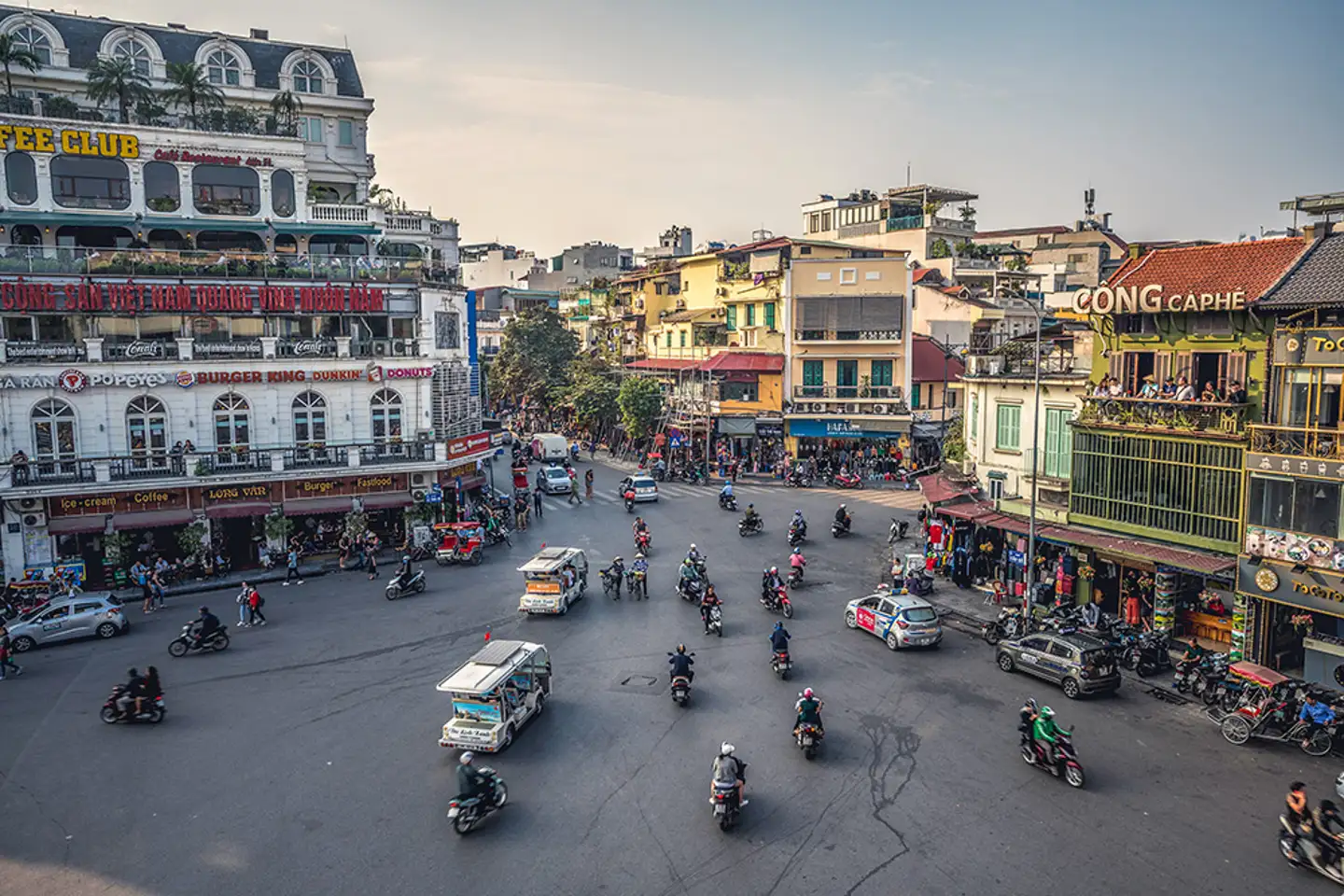
At the heart of Hanoi lies the Old Quarter, a bustling maze of narrow streets, traditional shophouses, and lively markets. The Old Quarter is known for its 36 ancient streets, each historically dedicated to a specific craft or trade, such as silversmiths, herbal medicine vendors, and tailors. Today, it’s a vibrant mix of street food vendors, local shops, and artisan boutiques. Walking through the Old Quarter is an unforgettable experience, as you’ll encounter the bustling atmosphere, the aroma of street food, and the vibrant colors of local life. It’s the perfect place to immerse yourself in Hanoi’s unique energy.
The Hoan Kiem Lake, located in the heart of the city, is a peaceful oasis amidst the hustle and bustle of Hanoi. The lake, with its emerald green waters, is steeped in legend and is one of the city’s most iconic landmarks. The Ngoc Son Temple, located on a small island in the middle of the lake, is dedicated to General Tran Hung Dao, who is said to have defeated the Mongol invaders in the 13th century. Visitors often stroll along the lake's shores, taking in the serene surroundings or enjoying a boat ride. In the early morning, the lake becomes a popular spot for locals to practice tai chi and other forms of exercise.
Hanoi is also known for its historical landmarks. The Ho Chi Minh Mausoleum is one of the most significant sites in the city, where the embalmed body of Ho Chi Minh, the founder of modern Vietnam, is displayed. The mausoleum, located in Ba Dinh Square, is a place of national reverence, and visitors can pay their respects while learning about the life and legacy of the country’s revolutionary leader. Just nearby, the Ho Chi Minh Museum and One Pillar Pagoda are also worth exploring, offering insight into the country’s history and Ho Chi Minh’s impact.
Another notable historical site is the Temple of Literature (Văn Miếu), which dates back to 1070 and is dedicated to Confucius. This beautifully preserved temple complex, with its tranquil courtyards, ancient stone stelae, and ponds, is an important cultural and educational symbol of Vietnam. It is also home to the Imperial Academy, Vietnam's first university. The peaceful atmosphere of the Temple of Literature provides a contrast to the bustling streets of Hanoi and offers a deep dive into Vietnam's scholarly traditions.
Hanoi’s French colonial architecture is another prominent feature of the city. The French Quarter, with its wide boulevards, elegant villas, and colonial-era buildings, stands in contrast to the older, more traditional architecture of the Old Quarter. Notable buildings in this area include the Hanoi Opera House, the Presidential Palace, and the St. Joseph’s Cathedral, a striking neo-gothic church built by the French in the early 20th century. These architectural gems provide a glimpse into Hanoi’s colonial past and add to the city’s diverse charm.
Food is an essential part of the Hanoi experience, and the city is famous for its unique culinary traditions. Pho, the iconic Vietnamese noodle soup, originated in Hanoi, and no visit to the city is complete without trying this dish. The pho stalls along the streets of Hanoi serve steaming bowls of fragrant broth with fresh herbs, thin rice noodles, and tender meat (usually beef or chicken). Other must-try dishes include bun cha (grilled pork with rice noodles), cha ca (grilled fish), and egg coffee, a unique Hanoi specialty made from whipped egg yolks, sugar, and condensed milk. The city’s food markets and street food stalls are where you’ll find the best local dishes, offering an authentic taste of Hanoi’s vibrant culinary scene.
For those seeking a quieter escape, West Lake (Hồ Tây) provides a tranquil retreat with its large expanse of water, scenic parks, and charming cafes. This area is a favorite among locals for morning walks, bike rides, and outdoor activities. You can also explore the Tran Quoc Pagoda, one of the oldest and most picturesque pagodas in Vietnam, located on a small island on the lake.
Hanoi’s climate is characterized by distinct seasons. Summers (from May to August) are hot and humid, with temperatures reaching up to 35°C (95°F), while winters (November to February) can be cool and misty, with temperatures dropping to around 10°C (50°F). The best times to visit Hanoi are during the spring (March to April) and autumn (September to October), when the weather is mild and pleasant, perfect for sightseeing and outdoor activities.
Accommodation in Hanoi ranges from budget-friendly hostels and guesthouses in the Old Quarter to luxury hotels and boutique accommodations offering stunning views of the city and Hoan Kiem Lake. Many travelers opt for staying in the Old Quarter to be in the heart of the city’s action, while those seeking a more relaxed atmosphere may prefer the quieter streets around West Lake.
In summary, Hanoi is a city of contrasts, where the ancient and modern coexist in harmony. It offers a unique blend of history, culture, architecture, and food that makes it one of Southeast Asia's most fascinating cities. Whether you're exploring its ancient temples, savoring the street food, strolling around serene lakes, or experiencing the bustling markets, Hanoi is a city that promises to leave a lasting impression on anyone who visits.
Most Popular Packages